ST. GEORGE, UT
230 N 1680 E Ste W2,

Greg Sorenson MA, CMHC
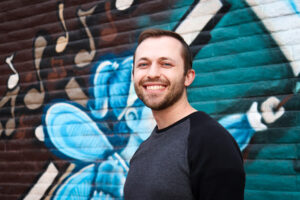 Hi, I’m Greg!
I believe we live our lives by our stories: who we are, where we come from, and who we can count on. When the story makes sense, we feel steady, and that steadiness is where confidence comes from. When something breaks it, like a loss or a rift in the family, the story stops making sense, and distress often follows. Sometimes it’s quieter than that: a relationship that plateaued, a flat stretch you can’t explain, a sense of going through the motions of your own life. That’s frequently when people find their way to therapy. My work is helping you make sense of your story again, so you can trust yourself, trust others where it’s been earned, and move forward with confidence. Making sense of it doesn’t mean having it all figured out. Often it means getting more comfortable with what’s still unsettled.
I work with teens and adults who struggle with trust, and with the grief, relationship strain, and family conflict that often come with it. Sometimes the hard part is trusting other people. Sometimes it’s trusting yourself, or the idea that anyone could really know you and stay. You might be the capable one, pleasant and steady and easy to be around, and so good at keeping things comfortable and presentable that few people notice the distance, and maybe you don’t either. You may want more closeness than you let yourself have. Perfectionism often lives here too: the high standards, the fear of getting it wrong, the sense that no one can see the cracks. Those habits made sense once. We can work out together what you want to keep and what you’re ready to put down.
This focus comes from my own life. I’m one of seven kids, and my family taught me how love, loyalty, grief, and hurt can all live in the same house. We had different beliefs, hard seasons, and big feelings, and the age gaps were wide enough that each of us grew up in a slightly different family. I’m grateful for it, and I’d be lying if I said it was simple. I know how hard it is to trust when the people closest to you are also the source of the complicated stuff. Your family won’t look like mine, but you won’t need to explain why it’s hard.
My approach draws on three things:
– Dialectical Behavior Therapy (DBT) gives us practical tools for handling intense emotions, staying grounded, and communicating clearly in relationships.
– Existential therapy makes room for the big questions about loss, meaning, and who you want to be. Kierkegaard has shaped my thinking for years, and one of his ideas stays with me in the room: that much of our suffering comes from struggling to be who we actually are. The way forward isn’t becoming someone else. It’s learning to choose yourself, honestly, with all your contradictions.
– Narrative therapy helps us look closely at the stories you’ve been handed or have come to tell about yourself, and ask whether they’re true and whether they still serve you.
I’m a present, engaged therapist. In session, you’ll find someone who’s curious about you, who brings warmth and some lightness when it helps, and who keeps the conversation moving. You won’t be left talking into a void. There’s no grade here and no right way to do therapy, so you don’t have to do this perfectly, and you don’t need to have it figured out before you walk in. Plenty of people arrive unsure what they’re even there for, and that’s a fine place to start. I go at your pace, and I check in often about what we’re talking about, how it’s landing, and whether this is helping. I’ll ask permission before going somewhere tender, and before saying something directly. When I do speak plainly, it comes with care. Your feedback is always welcome, because trust gets built in the room, not just talked about. Over time, my hope is that you get to experience being known, a little at a time, and find that it’s survivable.
Outside the therapy room, I’m a storyteller at heart. Mythology, Dungeons & Dragons, writing, and family history all fascinate me. I believe there’s real strength in knowing where you come from, including your family’s story and your cultural roots. I also trust that growth comes through small, steady steps outside our comfort zones, and I’d be glad to take some of those steps alongside you.
If this sounds like the kind of space you’re looking for, I’d love to hear from you.
Modalities:
- Dialectical Behavior Therapy (DBT)
- Existential therapy
- Narrative Therapy
- Trauma-Focused Cognitive Behavioral Therapy (TF-CBT)
- Person Centered Therapy
- Cognitive Behavioral Therapy (CBT)
- Family Systems Theory
Education:
- Undergraduate: Bachelor of Science in Psychology–Brigham Young University
- Graduate: Master of Arts in Mental Health Counseling–Boston College
Certifications:
- Certificate in Positive Youth Development–Boston College
- Certificate in Child and Family Mental Health–Boston College
Credentials:
- Clinical Mental Health Counselor (CMHC)
License:
- 13510377-6004
Specialties:
- Addiction Counseling
- Teen Counseling
- Adult Counseling
- Anxiety Counseling
- Borderline Personality Traits
- Conflict Resolution
- Perfectionism
- Depression Counseling
- Emotion Regulation
- Existential Issues
- Family Issues
- Grief Counseling
- Mindfulness
- Motivation
- Relationship Issues
- Religion
- Shame Resilience
- Spirituality